
Bird flu mink farm
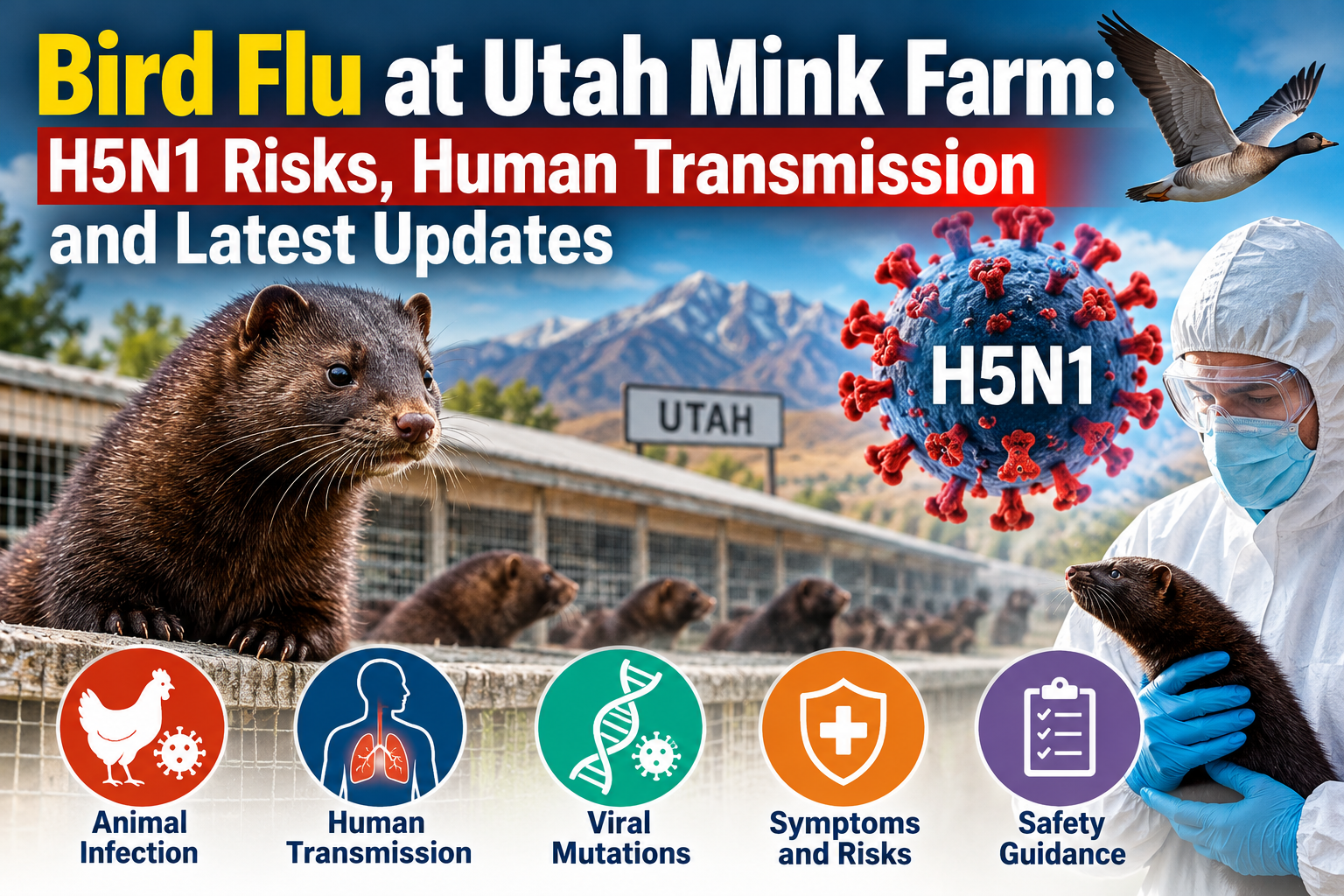
Bird Flu at Utah Mink Farm: H5N1 Risks, Human Transmission and Latest Updates
Important: This article explains general H5N1 risks. News about a specific farm outbreak, dates, genetic findings, or worker exposures should be checked against current official reports before being treated as confirmed.
Introduction))Bird flu mink farm (Bird flu, also known as avian influenza, is an infection caused by influenza viruses that mainly circulate among birds. H5N1 has also been detected in several mammal species, prompting researchers to monitor how the virus behaves in different hosts.
Reports about a possible H5N1 event at a Utah mink farm have raised questions about animal health, farmworker safety and whether the virus could adapt to spread more efficiently among mammals. Readers should verify the latest details through public health and animal-health authorities, as reports and assessments can change.
Why Is Bird Flu in Mink a Concern?
1. H5N1 can infect mammals
H5N1 has been detected in a range of mammals. Infections in mammals are monitored because they can help scientists understand how influenza viruses behave outside their usual bird hosts.
2. Viral changes need careful interpretation
Influenza viruses evolve over time. Genetic changes may affect how a virus replicates or interacts with host cells, but finding a mutation alone does not prove that a virus spreads more easily between people or causes more severe disease. Researchers assess genetic findings alongside laboratory studies and epidemiological evidence.
3. Some workers may have greater exposure
People who handle infected animals or contaminated materials may face a higher exposure risk than the general public. Protective equipment, workplace infection-control measures and prompt reporting of symptoms are important safeguards.
Can Bird Flu Spread From Mink to Humans?
H5N1 can infect people, especially after close contact with infected animals or contaminated environments. However, an infection in an animal does not automatically mean that the virus can spread efficiently between people.
Claims about a particular outbreak, including whether human cases or sustained human-to-human transmission have occurred, should be checked against the latest reports from the U.S. Centers for Disease Control and Prevention (CDC), the U.S. Department of Agriculture (USDA) and relevant state health authorities.
What Are the Symptoms of Bird Flu in Humans?
Reported symptoms of H5N1 infection can include:
- Eye redness or irritation
- Fever or chills
- Cough or sore throat
- Runny or congested nose
- Muscle aches and fatigue
- Shortness of breath or difficulty breathing in severe cases
These symptoms can also occur with other illnesses and do not by themselves confirm bird flu. Anyone who develops symptoms after contact with sick or infected animals should contact a healthcare professional or public health authority promptly and explain the exposure. Severe breathing difficulty requires urgent medical attention.
How Can People Reduce Their Risk?
- Avoid sick or dead animals: Do not touch sick or dead wild birds or mammals. Report unusual animal deaths to the relevant local authority.
- Follow workplace safety guidance: Farm and animal-care workers should follow official instructions on gloves, eye protection, respiratory protection and other protective equipment.
- Wash hands: Clean hands thoroughly after contact with animals or potentially contaminated materials.
- Choose pasteurized dairy: Follow public health advice and avoid raw milk, which can carry harmful pathogens.
- Keep pets away from potentially infected animals: Prevent pets from approaching sick wildlife, dead birds or contaminated areas.
Does an Animal Outbreak Mean a Pandemic Is Coming?
No. An animal outbreak is not proof that a human pandemic is beginning. Public health experts monitor animal infections because influenza viruses can change, and early detection can help authorities respond if risks increase. A balanced approach relies on verified evidence rather than assuming either that an outbreak is harmless or that a pandemic is inevitable.
Frequently Asked Questions
What is H5N1 bird flu?
H5N1 is a subtype of influenza A virus that primarily infects birds but can also infect some mammals and humans.
Can people catch bird flu from mink?
H5N1 can infect humans after exposure to infected animals. The level of risk depends on the exposure and the circumstances. Check current official reports for information about any specific farm outbreak.
Does a viral mutation mean the virus is more dangerous?
Not necessarily. The effect of a mutation depends on the broader genetic and biological context. Researchers need additional evidence before drawing conclusions about transmissibility or severity.
Is the general public at high risk?
Risk assessments can change as evidence develops. Consult the CDC and relevant public health authorities for the latest assessment for the general public and for people who work with animals.
Is pasteurized milk safe?
Current public health guidance considers pasteurized milk and dairy products safe. Raw milk is not recommended because it can contain harmful pathogens.
Conclusion
H5N1 infections in mammals highlight the importance of animal disease surveillance, scientific investigation, transparent reporting and appropriate protection for workers. Genetic findings or animal infections should not be confused with proof of sustained human-to-human transmission or an imminent pandemic. Follow official updates for verified information.
Medical disclaimer: This article is for educational purposes only and is not a substitute for professional medical advice, diagnosis or treatment.
Trusted Sources
- U.S. Centers for Disease Control and Prevention (CDC): Bird Flu
- U.S. Department of Agriculture (USDA): Avian Influenza
Suggested tags: Bird Flu, H5N1, Avian Influenza, Public Health, Zoonotic Diseases
