

Knee Replacement Surgery: What to Expect Before, During and After
knee replacement surgery Long-standing knee pain can slowly change how you live. Stairs become a struggle, walks get shorter, and sleep suffers. When medicines, exercise and other treatments stop helping, a doctor may discuss knee replacement surgery.
This guide explains what the surgery is, who may need it, how to prepare, what recovery generally looks like, and the 9 questions to ask your orthopaedic surgeon before deciding.
Tip: Save this list on your phone and take it with you, along with a family member, to your consultation.
What Is Knee Replacement Surgery?
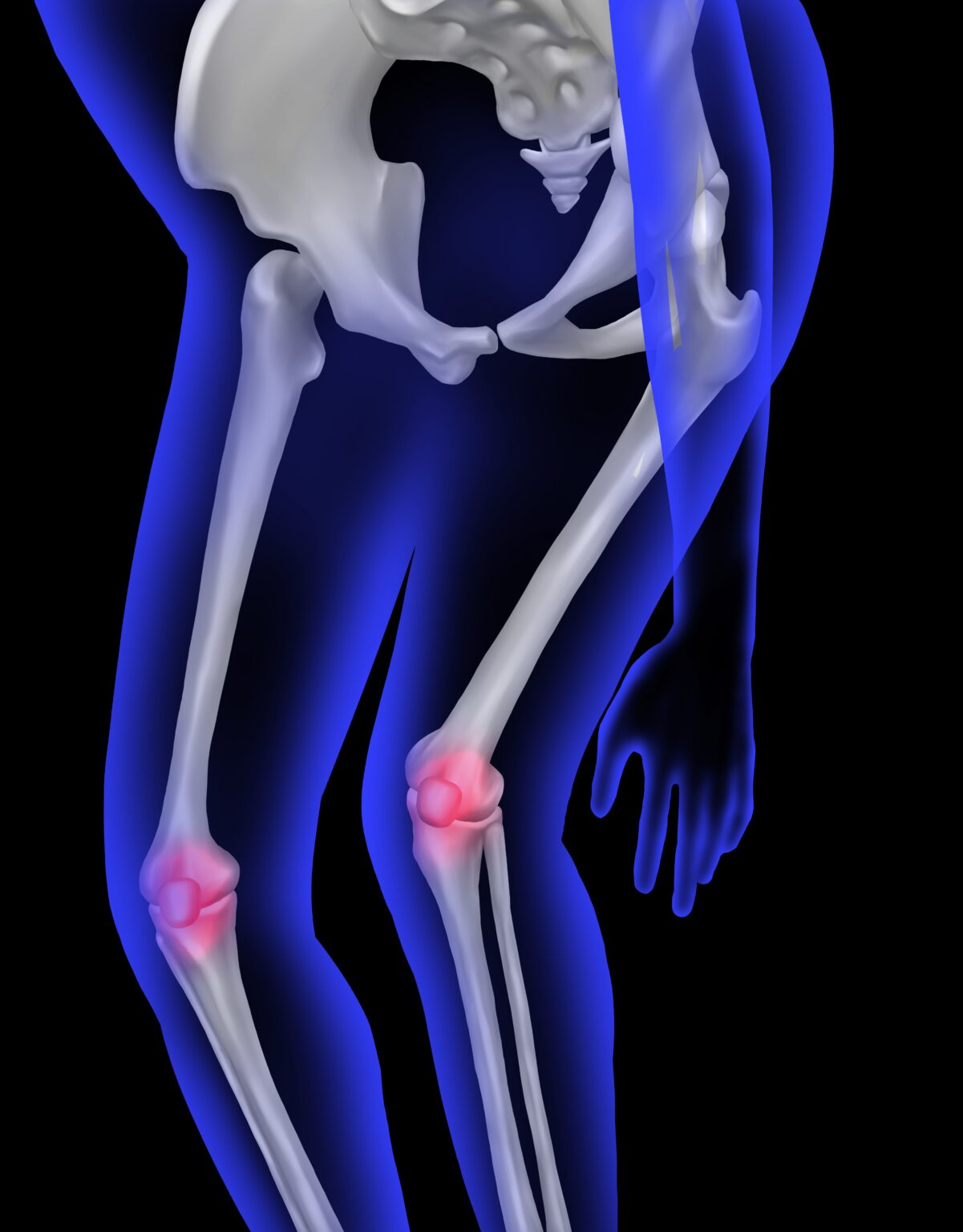
In knee replacement surgery (also called knee arthroplasty), a surgeon removes damaged joint surfaces and replaces them with artificial parts called an implant or prosthesis, made of metal and medical-grade plastic.
There are two main types:
- Total knee replacement: the damaged surfaces of the knee joint are replaced.
- Partial knee replacement: only the damaged part (compartment) of the knee is replaced. It is suitable only for some people, depending on where the damage is.
Your surgeon will recommend a type after examining you and reviewing your X-rays or scans.
Who May Need a Knee Replacement?
The most common reason is osteoarthritis, where the cartilage cushioning the joint wears down. Other conditions, such as rheumatoid arthritis or a past knee injury, can also damage the joint.
A doctor may discuss surgery when:
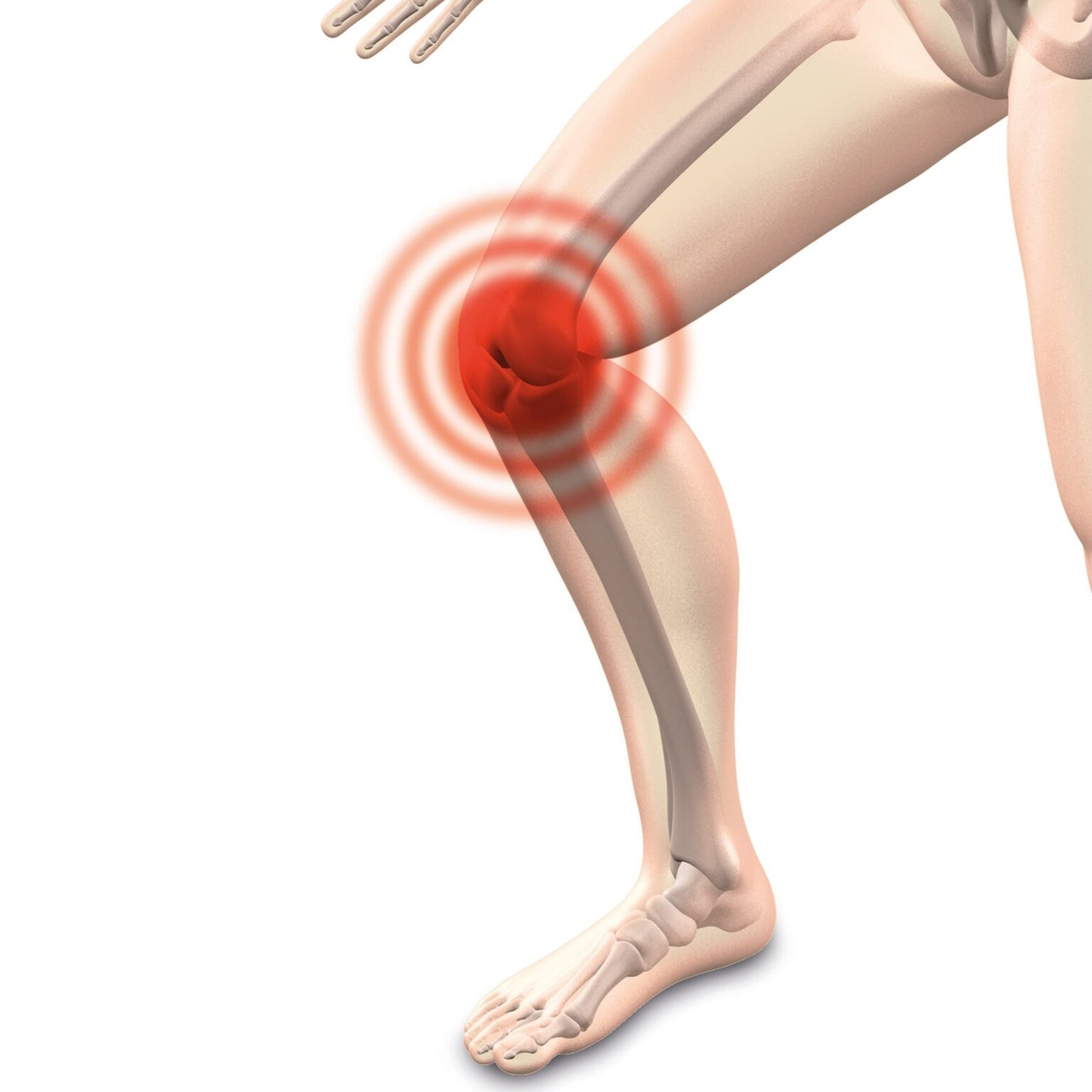
- Knee pain is persistent and limits daily activities such as walking, climbing stairs or getting up from a chair
- Pain disturbs sleep or continues at rest
- Non-surgical treatments are no longer giving enough relief
- X-rays show significant joint damage
Surgery is a decision made between you and your orthopaedic surgeon. Pain alone, or an X-ray alone, does not decide it.
Options to Discuss Before Surgery
Many people try non-surgical measures first. Ask your doctor whether these suit you:
- Physiotherapy and guided strengthening exercises
- Weight management, since extra weight puts added load on the knees
- Pain-relief medicines, as prescribed
- Walking aids such as a cane
- Injections, if your doctor considers them appropriate
These can help some people manage symptoms or delay surgery, but results vary from person to person.
How to Prepare for Knee Replacement Surgery
Good preparation can make recovery smoother.
Medical preparation
- Complete the tests your hospital asks for (blood tests, heart and anaesthesia evaluation, imaging).
- Tell your team about all medicines and supplements you take, and any other health conditions.
- Follow your surgeon’s instructions about which medicines to continue or stop.
- Ask about any dental, skin or urinary problems that should be treated first, as infections can affect the new joint.
Physical preparation
- Ask your physiotherapist about “pre-hab” exercises to strengthen the muscles around the knee.
- Practise using a walker or crutches if advised.
Home preparation
- Arrange a ground-floor sleeping area if stairs are difficult.
- Remove loose rugs and cables, and keep a clear path to the bathroom.
- Consider a raised toilet seat, a shower chair and grab bars.
- Keep frequently used items at easy reach.
- Arrange help for the first days at home.
What Happens on Surgery Day?
The procedure is done under anaesthesia, and your anaesthesia team will explain the type used for you. The surgeon removes the damaged surfaces and fits the implant. The hospital stay and the exact steps vary by hospital and by patient.
Recovery: What to Expect
Recovery differs for everyone, and your surgeon and physiotherapist will give you a personalised plan. In general:
- Early days: pain control, wound care, and starting to move, often with physiotherapy guidance soon after surgery.
- First weeks at home: regular prescribed exercises, walking with support, managing swelling, and attending follow-ups.
- Following weeks and months: gradually increasing strength, range of motion and daily activity as your team advises.
Helpful habits (follow your own team’s instructions):
- Do your physiotherapy exercises regularly.
- Take medicines exactly as prescribed, including any blood-clot prevention.
- Keep moving as advised, and avoid long periods of sitting without movement.
- Keep the wound clean and dry as instructed.
- Attend every follow-up visit.
Contact your doctor promptly if you notice increasing redness, warmth or discharge at the wound, fever, or worsening pain or swelling. Seek emergency care for calf pain with swelling, chest pain or sudden shortness of breath.
Possible Risks
Every surgery carries risk. Potential risks include infection, blood clots, stiffness, ongoing pain, problems with the implant, and anaesthesia-related complications. Your surgeon can explain how likely these are for you, based on your age and health.
9 Questions to Ask Your Orthopaedic Surgeon
1. “Do I really need surgery now, or are there other options?”
Ask what non-surgical treatments you have tried or should try, and what happens if you wait.
2. “Which type of replacement is right for me, and why?”
Ask whether you are suited to total or partial replacement, and what the implant is made of.
3. “How many knee replacements do you and your team perform?”
Experience matters. Ask about your surgeon’s and the hospital’s experience with this procedure.
4. “What are the risks for someone like me?”
Your age, weight, diabetes, heart health and other factors can change your risk profile.
5. “What will the anaesthesia and pain-management plan be?”
Understand the options and how pain will be controlled after surgery.
6. “What does recovery look like, step by step?”
Ask about the hospital stay, physiotherapy schedule, walking aids, and when you may return to driving, work and normal activity.
7. “What will the total cost be, and what is included?”
Ask for a written estimate covering surgery, implant, hospital stay, tests, physiotherapy and follow-ups. Check what your insurance or government scheme covers and whether the hospital helps with approvals.
8. “How long do implants last, and what limits will I have afterwards?”
Ask about expectations for activity, kneeling, squatting and sports, and about long-term follow-up.
9. “Who do I contact if there is a problem after discharge?”
Get a clear contact number and know when to call and when to go to emergency care.
Quick Comparison Checklist
| Question | Surgeon/Hospital A | Surgeon/Hospital B |
|---|---|---|
| Type of replacement recommended | ||
| Non-surgical options explained | ||
| Experience with the procedure | ||
| Risks explained for my health | ||
| Written itemised cost estimate | ||
| Rehabilitation plan provided | ||
| After-hours contact available |
Red Flags
- Guarantees of a “100% perfect” result
- Pressure to decide or pay immediately
- No discussion of risks or alternatives
- Vague answers on cost or follow-up care
- No clear post-surgery rehabilitation plan
Frequently Asked Questions
Q1. Is knee replacement surgery painful?
Some pain is expected after surgery, but your team will plan pain control. Discomfort usually eases as healing and physiotherapy progress, though this varies.
Q2. How long does recovery take?
It varies by person, type of surgery and general health. Your surgeon and physiotherapist will guide you on milestones.
Q3. Can I walk after knee replacement?
Most patients are encouraged to start moving early with physiotherapy support, as advised by their team.
Q4. How long does a knee implant last?
This depends on factors such as age, weight, activity level and the implant type. Ask your surgeon for expectations specific to you.
Q5. Is partial knee replacement better than total?
Neither is better for everyone. The right choice depends on where and how much of the knee is damaged.
Q6. Can exercise help before surgery?
Guided strengthening may help prepare the muscles around the knee. Ask your doctor or physiotherapist what is safe for you.
Q7. Should I get a second opinion?
It is reasonable to seek one, especially for a major elective surgery.
Conclusion
Knee replacement surgery can help many people with severe knee damage return to more comfortable movement, but it is a major decision. By understanding the procedure, preparing your body and home, and asking these 9 questions, you can discuss your options with confidence.
Choose a team that explains clearly, answers honestly, and never promises guaranteed results.
👉 Save this checklist for your next orthopaedic consultation and share it with someone who may need it.
Medical Disclaimer: This article is for general educational purposes only and is not medical advice. Diagnosis, suitability for surgery, risks and recovery vary from person to person. Please consult a qualified orthopaedic surgeon or doctor about your individual situation.
/
